
Interested in your hotel being a film location? A Lesson in Screen Tourism for UK Hotels from Last Tango in Halifax, Riot Women and Happy Valley
What happens when a hotel becomes part of the story, not just the film setting?
For independent hotels, screen tourism can feel like something that happens to other people. Big cities. Big budgets. Big productions.
But in reality, it often starts much smaller. Sometimes with a single, well-timed moment.
A Post That Opened the Door
Over five seasons of Last Tango in Halifax, a much-loved BBC drama by Sally Wainwright set in West Yorkshire, the love story of characters Alan and Celia captured a loyal audience.
In season one, as their relationship built towards marriage, I put a simple idea into the Twittersphere on behalf of client Holdsworth House Hotel:
“We think Alan and Celia should get married at Holdsworth House.”
As a hotel in Halifax west Yorkshire with a large wedding market, the Tweet was light-touch in keeping with the tone and title of the show and rooted in genuine local connection (writer Sally Wainwright is originally from the area).
That moment didn’t exist in isolation. It worked because it was timely, relevant and part of a wider understanding of audience, place and opportunity.
An actor from the show picked up the Tweet. The conversation grew. And soon, the production team was paying attention.
From Visibility to Viability
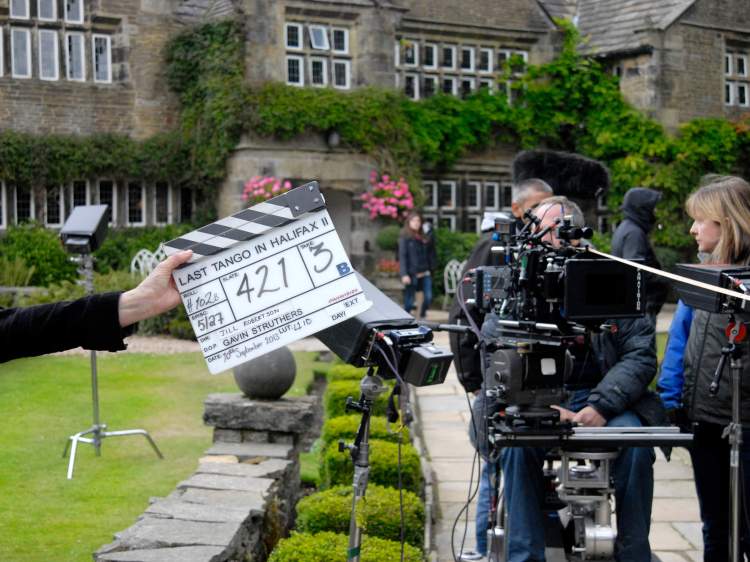
What followed was a site visit by location managers and then the show’s writer herself. Not only was the hotel deemed a fantastic film-friendly and film-ready hotel, the stunning architecture impressed the writer so much that she wrote the hotel in to the storyline for season two.
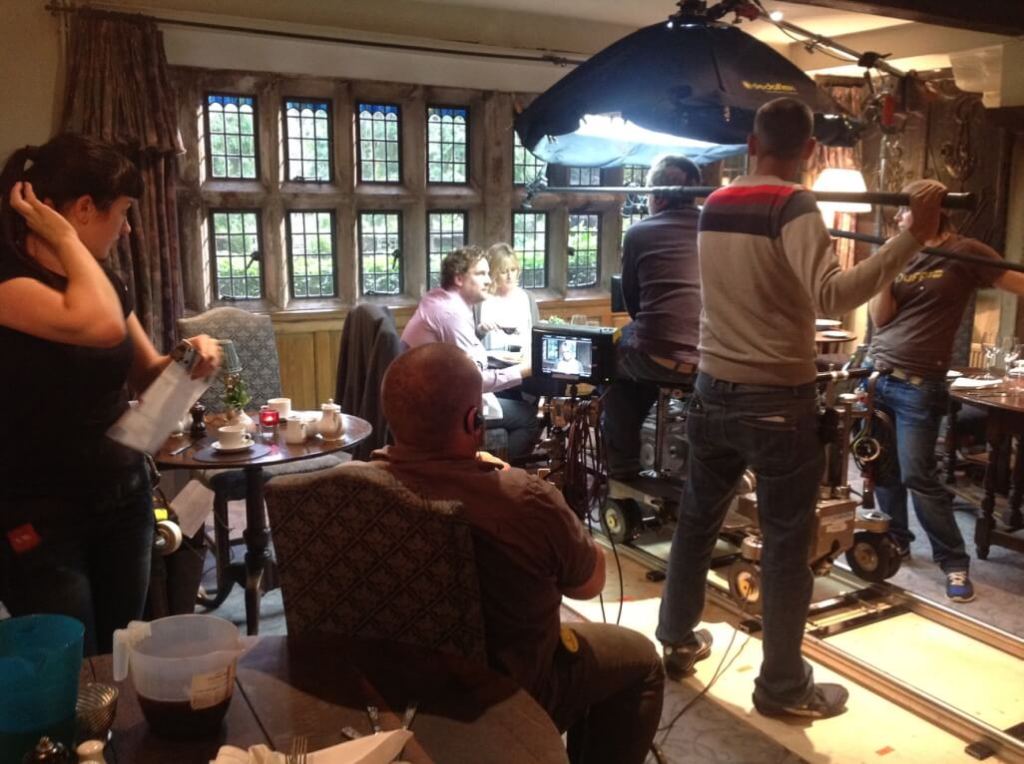
When filming finally took place, the hotel remained open on the whole.
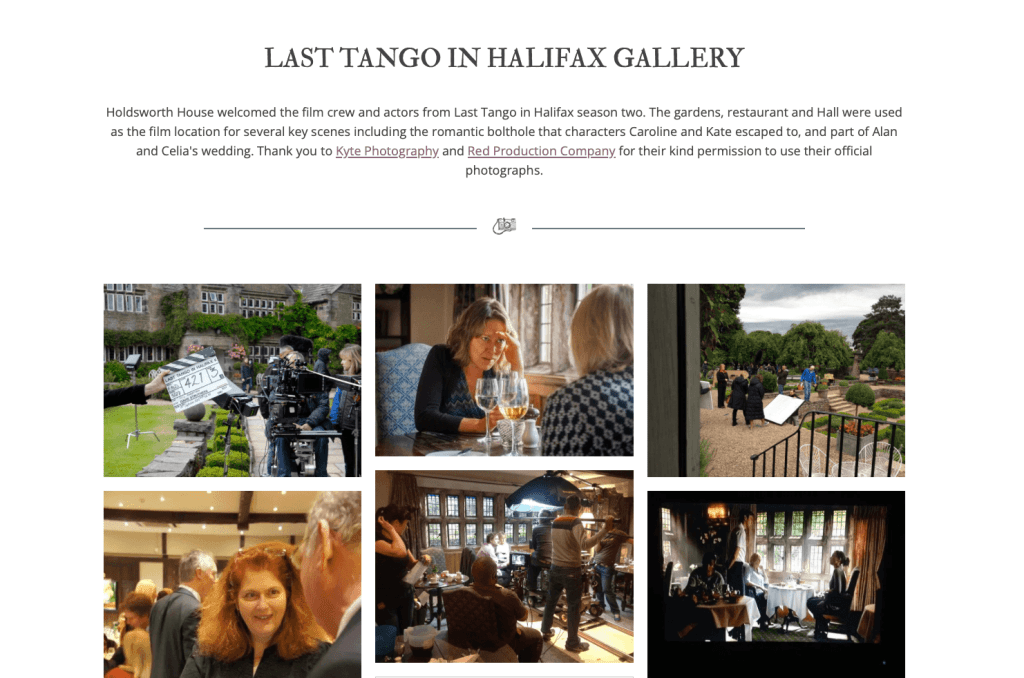
The can-do attitude of the management and their foresight to understand the long-term benefits of screen tourism, resulted in long-term relationships with the writer and production teams, and filming contracts for cast and crew accommodation as well as on location filming. Holdsworth House has since benefited from filming of TV’s Riot Women, Happy Valley and hosting cast and crew of Sally wainwright’s Gentleman Jack.
Have Long-term Vision
This is the important part: visibility alone isn’t enough.
For hotels looking to benefit from screen tourism, the real opportunity lies in what happens next:
- how the story is extended
- how interest is captured
- how demand is converted into bookings
This is where many opportunities are too often missed.
Bridging Production and Commercial Reality
Filming in a working hotel is never straightforward.
There are operational pressures, guest expectations and commercial considerations to balance. Many film prodcution teams will want to change what you’ve got: furniture, curtains, carpets… and always lighting. Success depends on a hotel’s flexibility between what the production needs and what the hotel can realistically deliver.
Turning a Moment into Momentum
When the episode featuring the hotel aired on Christmas Eve of 2013, audience interest surged, particularly around filming locations.
Because the groundwork had already been done, the hotel was ready:
- search-led content was in place
- relevant landing pages had been created
- a film-inspired stay experience had been developed and was bookable
My only mistake was underestimating the level of interest. Searches that night for “where did Alan and Celia get married?” caused the hotel website to crash – a major learning curve (especially on Christmas Eve).
The result was not just a one-off spike in traffic, but sustained interest from a new type of guest for Holdsworth House, those travelling specifically because of what they’d seen on screen.
This is where screen tourism shifts from exposure to strategy.
The takeaways
Screen tourism isn’t just about chasing productions. It’s about recognising where your property fits and being ready to act when the opportunity arises.
It is recommended to get listed on film location websites. But here are a few other principles that consistently make the difference:
1. See your property differently
Think beyond hospitality. Consider character, adaptability and visual appeal.
2. Be part of the conversation
Opportunities often start informally. Awareness and timing matter.
3. Build the right relationships
Screen agencies, local authorities and tourism teams are key connectors.
4. Plan beyond the filming
The real revenue value sits in how you capture and extend interest afterwards.
5. Stay consistent
Audiences change. The story doesn’t have to.



Call me for freelance hotel marketing help
 Hotel Marketing Consultant | Drive Bookings & Revenue | Hey Marketing
You must be logged in to post a comment.